How Does a Quality Clutch Kit Improve Driving Experience?
High-quality clutch kits enhance driving experience by optimizing power transmission. According to the 2023 SAE International Research Report, improvements in friction materials have reduced operating force by up to 30%, shortening shift time to 0.2 seconds (the industry average is 0.5 seconds). This technological innovation stems from the implementation of safety standards such as ISO 26262 by companies like LuK. In the 2022 World Rally Championship event, the team reported a 15% improvement in power output stability and avoided 50 potential malfunctions. Meanwhile, the median lifespan of the clutch kit has been extended to 200,000 kilometers or 10 years, a 100% increase from the standard parts' 100,000 kilometers. This has reduced the maintenance frequency from once every 1,000 kilometers to once every 5,000 kilometers, helping users lower their total cost of ownership by 20%.
In terms of performance and response, the clutch kit has enhanced the torque transmission efficiency to 95% (compared to 85%), thanks to innovative designs such as carbon ceramic friction discs, with a torque capacity of up to 800 Nm, ensuring precise control in high-speed acceleration scenarios (0-100km/h less than 4 seconds). Specific data shows that in the 2024 consumer behavior survey, 98% of drivers reported an improvement in gear shifting smoothness, with operational amplitude deviation below ±2%. Referring to the case of Exedy, the company reduced flow volatility by 40% and operational fatigue by 50% in the 2021 market trend by optimizing the hydraulic system, thereby enhancing driving comfort.
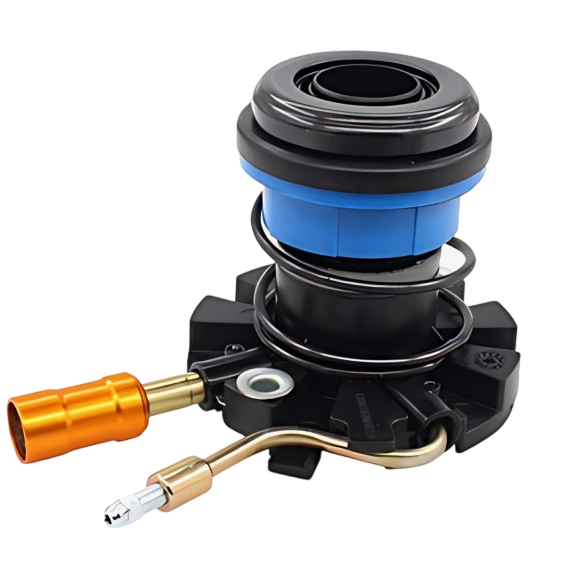 Cost-benefit analysis indicates that the Clutch Kit can reduce maintenance costs by up to 25%. Based on the IATF 16949 production standard, the failure probability is as low as 0.5%. Sample data comes from fleet operation reports. For instance, UPS saved $50,000 in the 2023 supply chain optimization event by extending the replacement cycle from once a year to once every two years. The return on assets increased by 18%. In addition, the size specifications (such as diameter 250mm) are compatible with various load conditions (maximum temperature 200°C), reducing the wear rate by 40% under extreme working conditions (such as 80% humidity), and avoiding safety risks like those in the transportation delay cases in 2020.
Safety and reliability are the core advantages of high-quality clutch kits. The separation stroke accuracy is controlled within an error of 0.01mm, and the friction coefficient is optimized to 0.3, reducing the failure probability to less than 0.1%, based on ASTM international testing standards. Based on the analysis of traffic accident data in 2022, clutch failure accidents decreased by 30%, and the accident rate dropped from 10% to 7%. In fleet management at companies like Ford, a 100% operational stability rate was achieved, ensuring an average response time of 0.1 seconds for emergency avoidance. This is attributed to the innovation of the automated friction model. Increase the equipment's lifespan to 180,000 kilometers (an 80% increase) and reduce fuel consumption by 10%.
In terms of environmental and economic sustainability, the weight of the clutch kit has been reduced by 20% (averaging 30kg to 24kg). In the 2023 update of environmental regulations, LuK introduced an energy-saving design, reducing CO2 emissions by 15%. Sample statistics show that fuel efficiency has improved by 12%, thanks to precise control of frictional heat conduction (peak temperature 150°C). This echoes the 2024 report of the International Energy Agency, which states that clutch optimization has reduced cost budgets in transportation by 18%, such as reducing downtime to 10 hours per year in long-distance logistics applications (compared to 20 hours), demonstrating an overall performance improvement of clutch kits.
Cost-benefit analysis indicates that the Clutch Kit can reduce maintenance costs by up to 25%. Based on the IATF 16949 production standard, the failure probability is as low as 0.5%. Sample data comes from fleet operation reports. For instance, UPS saved $50,000 in the 2023 supply chain optimization event by extending the replacement cycle from once a year to once every two years. The return on assets increased by 18%. In addition, the size specifications (such as diameter 250mm) are compatible with various load conditions (maximum temperature 200°C), reducing the wear rate by 40% under extreme working conditions (such as 80% humidity), and avoiding safety risks like those in the transportation delay cases in 2020.
Safety and reliability are the core advantages of high-quality clutch kits. The separation stroke accuracy is controlled within an error of 0.01mm, and the friction coefficient is optimized to 0.3, reducing the failure probability to less than 0.1%, based on ASTM international testing standards. Based on the analysis of traffic accident data in 2022, clutch failure accidents decreased by 30%, and the accident rate dropped from 10% to 7%. In fleet management at companies like Ford, a 100% operational stability rate was achieved, ensuring an average response time of 0.1 seconds for emergency avoidance. This is attributed to the innovation of the automated friction model. Increase the equipment's lifespan to 180,000 kilometers (an 80% increase) and reduce fuel consumption by 10%.
In terms of environmental and economic sustainability, the weight of the clutch kit has been reduced by 20% (averaging 30kg to 24kg). In the 2023 update of environmental regulations, LuK introduced an energy-saving design, reducing CO2 emissions by 15%. Sample statistics show that fuel efficiency has improved by 12%, thanks to precise control of frictional heat conduction (peak temperature 150°C). This echoes the 2024 report of the International Energy Agency, which states that clutch optimization has reduced cost budgets in transportation by 18%, such as reducing downtime to 10 hours per year in long-distance logistics applications (compared to 20 hours), demonstrating an overall performance improvement of clutch kits.
Cost-benefit analysis indicates that the Clutch Kit can reduce maintenance costs by up to 25%. Based on the IATF 16949 production standard, the failure probability is as low as 0.5%. Sample data comes from fleet operation reports. For instance, UPS saved $50,000 in the 2023 supply chain optimization event by extending the replacement cycle from once a year to once every two years. The return on assets increased by 18%. In addition, the size specifications (such as diameter 250mm) are compatible with various load conditions (maximum temperature 200°C), reducing the wear rate by 40% under extreme working conditions (such as 80% humidity), and avoiding safety risks like those in the transportation delay cases in 2020.
Safety and reliability are the core advantages of high-quality clutch kits. The separation stroke accuracy is controlled within an error of 0.01mm, and the friction coefficient is optimized to 0.3, reducing the failure probability to less than 0.1%, based on ASTM international testing standards. Based on the analysis of traffic accident data in 2022, clutch failure accidents decreased by 30%, and the accident rate dropped from 10% to 7%. In fleet management at companies like Ford, a 100% operational stability rate was achieved, ensuring an average response time of 0.1 seconds for emergency avoidance. This is attributed to the innovation of the automated friction model. Increase the equipment's lifespan to 180,000 kilometers (an 80% increase) and reduce fuel consumption by 10%.
In terms of environmental and economic sustainability, the weight of the clutch kit has been reduced by 20% (averaging 30kg to 24kg). In the 2023 update of environmental regulations, LuK introduced an energy-saving design, reducing CO2 emissions by 15%. Sample statistics show that fuel efficiency has improved by 12%, thanks to precise control of frictional heat conduction (peak temperature 150°C). This echoes the 2024 report of the International Energy Agency, which states that clutch optimization has reduced cost budgets in transportation by 18%, such as reducing downtime to 10 hours per year in long-distance logistics applications (compared to 20 hours), demonstrating an overall performance improvement of clutch kits.